Using a Balloon Launched Unmanned Glider to Validate Real-Time WRF Modeling
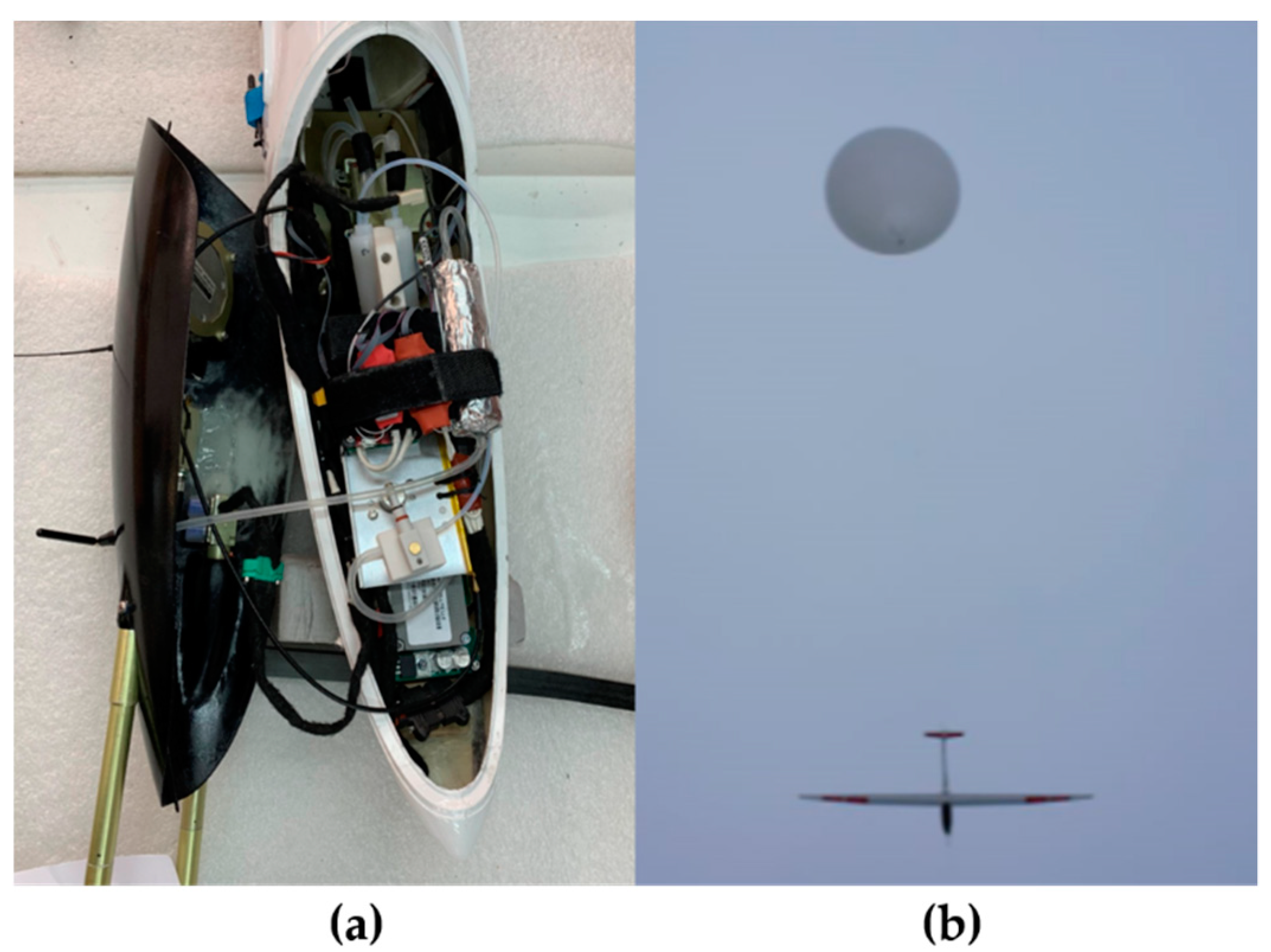
Abstract: The use of small unmanned aerial systems (sUAS) for meteorological measurements has expanded significantly in recent years. SUAS are efficient platforms for collecting data with high resolution in both space and time, providing opportunities for enhanced atmospheric sampling. Furthermore, advances in mesoscale weather research and forecasting (WRF) modeling and graphical processing unit (GPU) computing have enabled high resolution weather modeling. In this manuscript, a balloon-launched unmanned glider, complete with a suite of sensors to measure atmospheric temperature, pressure, and relative humidity, is deployed for validation of real-time weather models. This work demonstrates the usefulness of sUAS for validating and improving mesoscale, real-time weather models for advancements toward reliable weather forecasts to enable safe and predictable sUAS missions beyond visual line of sight (BVLOS).


Comments
Post a Comment